
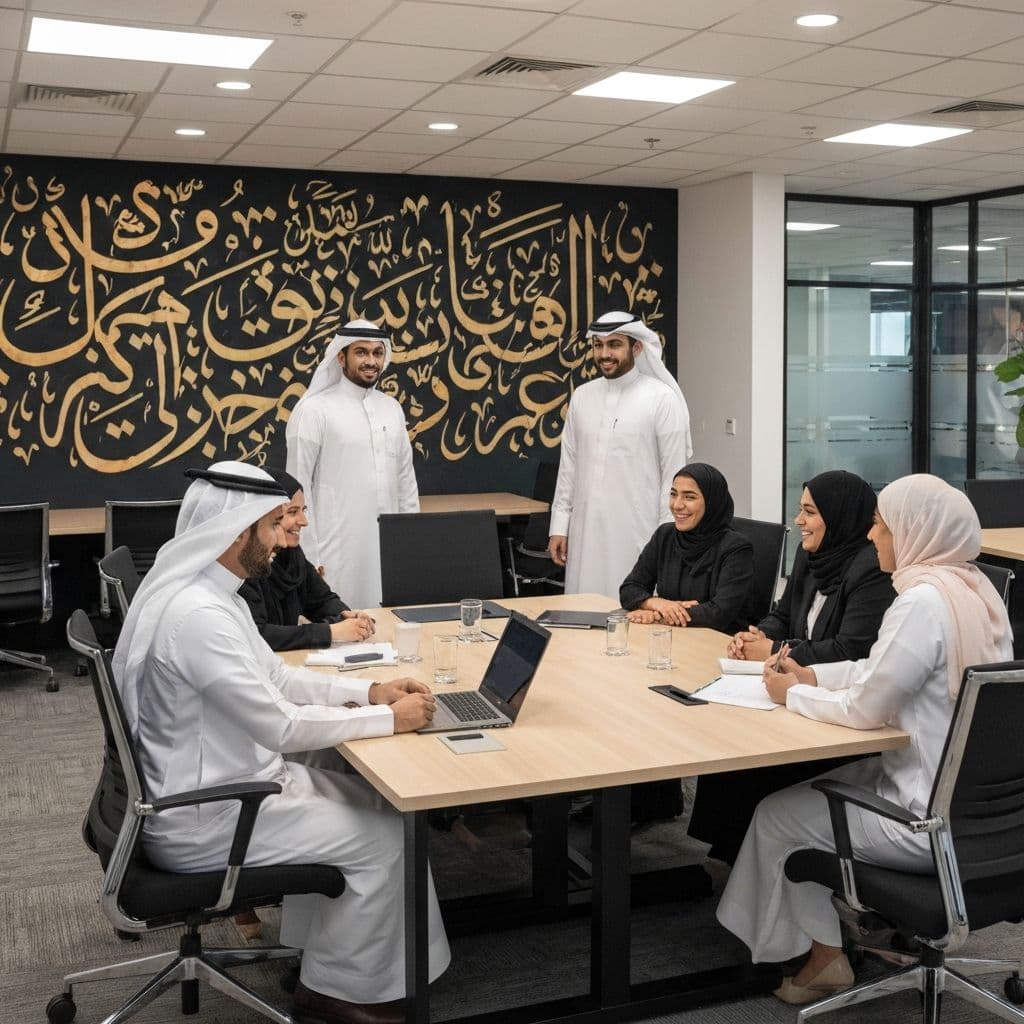
Employee engagement in Saudi Arabia has become a critical business priority. With Vision 2030 accelerating economic transformation and creating millions of new jobs, the competition for talented professionals is fierce. Organizations that fail to engage and retain their best people face spiraling recruitment costs, productivity losses, and competitive disadvantage.
This comprehensive guide reveals the engagement and retention strategies that leading Saudi organizations use to build loyal, high-performing teams. You will learn how competency assessments improve retention, what truly motivates Saudi employees, and how to create a workplace culture that attracts and keeps top talent.
1The Saudi Engagement Crisis
Employee engagement levels in Saudi Arabia present both challenges and opportunities. According to recent research, only 17% of employees globally are actively engaged at work—and Saudi Arabia faces similar dynamics as its economy rapidly transforms.
Saudi Employee Engagement Statistics 2026
78%
Disengaged employees job searching
23%
Average annual turnover rate
3.2M
Job changes per year in KSA
According to Gallup research, engaged employees are 21% more productive, 37% less likely to miss work, and generate 23% more profit. For Saudi companies pursuing Vision 2030 goals, engagement is not optional—it is essential for success.
The Hidden Cost of Disengagement
Disengaged employees cost organizations 18% of their annual salary in lost productivity. For a company with 500 employees earning average salaries of 15,000 SAR monthly, this equals 16.2 million SAR in annual productivity losses.
2The True Cost of Employee Turnover
Employee turnover is one of the most expensive business problems facing Saudi organizations. Beyond the visible costs of recruitment and training, turnover creates hidden costs that multiply the financial impact.
| Cost Category | Entry Level | Mid-Level | Senior/Executive |
|---|---|---|---|
| Recruitment | 10,000-20,000 SAR | 25,000-50,000 SAR | 75,000-150,000 SAR |
| Training | 15,000-25,000 SAR | 30,000-60,000 SAR | 50,000-100,000 SAR |
| Productivity Loss | 20,000-40,000 SAR | 60,000-120,000 SAR | 150,000-300,000 SAR |
| Total Cost | 45,000-85,000 SAR | 115,000-230,000 SAR | 275,000-550,000 SAR |
These numbers demonstrate why investing in employee development programs and engagement initiatives delivers strong ROI. For every 1% reduction in turnover, a 500-person company saves 500,000-1,000,000 SAR annually.
3Top Engagement Drivers in Saudi Arabia
Understanding what motivates Saudi employees is essential for building effective engagement programs. Research reveals distinct patterns that differ from Western markets.
Career Growth
89% of Saudi employees under 35 rank career development as their top priority.
- • Clear promotion pathways
- • Skills training programs
- • Leadership development
Competitive Pay
Total compensation including housing, transport, and health insurance matters greatly.
- • Market-competitive salaries
- • Performance bonuses
- • Comprehensive benefits
Supportive Culture
Respect and recognition from managers is critical in Saudi workplace culture.
- • Manager appreciation
- • Team collaboration
- • Cultural respect
Work-Life Balance
Family time is highly valued in Saudi culture, making flexibility essential.
- • Flexible working hours
- • Remote work options
- • Family leave policies
Understand Your Employees Better
Use competency assessments to identify development needs and improve job fit
4Proven Retention Strategies
Effective retention requires a multi-faceted approach that addresses all engagement drivers. These strategies have been proven effective in Saudi organizations.
The 5-Pillar Retention Framework
Right Role Fit
Use competency assessments to match employees with roles that leverage their strengths
Career Pathways
Create transparent promotion criteria and development roadmaps for every role
Manager Training
Equip managers with coaching skills—people leave managers, not companies
Recognition Systems
Implement both monetary and non-monetary recognition for contributions
Continuous Feedback
Replace annual reviews with ongoing conversations and quarterly check-ins
Research from McKinsey shows that companies implementing comprehensive retention programs see 25-50% reduction in turnover within 12 months. Combined with effective performance management systems, these strategies create sustainable engagement.
5Competency-Job Fit for Retention
Competency-job fit is one of the most powerful retention levers available. When employees work in roles that match their skills and strengths, they experience higher engagement, performance, and tenure.
Learn more about how competency assessments work in Saudi Arabia and their impact on workforce development.
The Competency-Fit Impact on Retention
59%
Lower turnover with good fit
31%
Higher productivity
67%
Greater job satisfaction
How to Use Assessments for Retention
- 1Assess current employees to understand their competency profiles
- 2Map competencies to role requirements across your organization
- 3Identify fit gaps and create development plans to close them
- 4Use insights for internal mobility—move people to better-fit roles
6Recognition & Rewards Programs
Recognition programs have outsized impact on engagement. Research shows that 69% of employees would work harder if they felt better appreciated—yet only 29% of Saudi workers feel adequately recognized.
Monetary Recognition
- • Spot bonuses: 500-5,000 SAR for exceptional work
- • Performance bonuses: 1-3 months annual salary
- • Profit sharing: 5-10% of annual profits
- • Long-service awards: Progressive rewards at milestones
Non-Monetary Recognition
- • Public appreciation: Town halls, newsletters
- • Development opportunities: Training, conferences
- • Flexible arrangements: Extra leave, remote work
- • Career advancement: Promotions, new projects
Effective recognition connects to leadership development programs—managers who learn to recognize effectively create more engaged teams.
7Case Study: Saudi Bank Transformation
How a Major Saudi Bank Reduced Turnover from 28% to 12%
The Challenge
A leading Saudi bank with 3,000 employees was experiencing 28% annual turnover, particularly in customer-facing roles. Exit interviews revealed dissatisfaction with career development and poor manager relationships.
The Solution
The bank implemented a comprehensive engagement program including competency assessments for all employees, manager coaching training, transparent career pathways, and a new recognition platform.
Results After 24 Months
12%
Turnover (from 28%)
78%
Engagement score
42M SAR
Annual savings
91%
Manager training completion
"Competency assessments showed us exactly where our people fit best. Moving employees to better-matched roles was a game-changer for retention."
8Frequently Asked Questions
What is employee engagement in Saudi Arabia?
Employee engagement in Saudi Arabia refers to the emotional commitment and motivation employees have toward their work and organization. Engaged employees are more productive, provide better customer service, and stay longer with their employers. Vision 2030 emphasizes engagement as critical for workforce transformation.
How do I reduce employee turnover in Saudi Arabia?
Reduce turnover by offering competitive compensation packages including housing allowance, providing clear career development paths, ensuring competency-job fit through assessments, creating a positive work culture, and offering flexible work arrangements. Companies implementing these strategies see 30-40% reduction in turnover.
What are the main drivers of employee engagement in Saudi Arabia?
The main engagement drivers are career growth opportunities, competitive compensation and benefits, meaningful work aligned with Vision 2030, supportive management, work-life balance, and recognition programs. Cultural factors like respect and family support also play significant roles.
How much does employee turnover cost Saudi companies?
Employee turnover costs 50-200% of annual salary per position, depending on role seniority. This includes recruitment costs, training investment, productivity loss, and institutional knowledge drain. For a mid-level position earning 20,000 SAR monthly, turnover can cost 120,000-480,000 SAR.
How do competency assessments improve employee retention?
Competency assessments improve retention by ensuring employees are placed in roles that match their skills and strengths. When employees work in competency-aligned positions, they experience 59% less turnover according to Gallup research. Assessments also identify development needs for targeted growth opportunities.
9Your Next Steps
Building an engaged, loyal workforce requires strategic investment in your people. Start with these actionable steps to transform your employee engagement and retention.
Ready to Boost Engagement?
Assess Competencies
Understand your employees' strengths and development needs
Optimize Role Fit
Match employees to roles that leverage their competencies
Build Loyalty
Create development plans that retain your best people
Use the assessment as a starting point, then match the next step to the role, team, and business decision.
Related Articles
Talent Acquisition & Recruitment in Saudi Arabia
Proven strategies for attracting and hiring top talent in the Kingdom
AssessmentEmployee Competency Assessment in Saudi Arabia
How assessments help identify talent gaps and boost productivity
LeadershipLeadership Development Programs in Saudi Arabia
Building the next generation of Saudi business leaders
PerformancePerformance Management Systems in Saudi Arabia
Modern KPI systems and continuous feedback for KSA organizations